Montessori

The Montessori Approach

Maria Montessori developed her approach by first observing what children do when they explore the world on their own, and then offering them methods to clarify and amplify their learning. Her core belief that effective learning is self-directed and uses the development of the whole person continues to prepare children for a rapidly-changing world.


Montessori education has always been designed to maximize a child’s potential. It is a unique pedagogy purposefully designed from the child to the environment to the teacher. The environment is curated by the teachers so that the child engages with both the teacher–for interpersonal learning–and with the environment–for self-directed learning. This triangle between teacher, student, and environment provides the basis for developmentally appropriate learning throughout the child’s life.
What You Need to Know

What does the Montessori Approach Entail?
  • Follow the child

    Montessori education is designed to help your child maximize their potential. It is an educational environment that is purposefully designed to meet the unique developmental needs of each child, using adults who are specifically trained to observe and put the child in touch with exactly what they need in their hands at that very moment to learn.


    This begins by having teachers trained in the specific developmental stages of the children they work with, as well as all the materials in the classroom. In respecting where children are in their individual growth and development, we create educational environments that perfectly suit their needs. Learning is often a winding path, and each individual child will need different challenges and supports throughout their time at school.

  • Foster independence

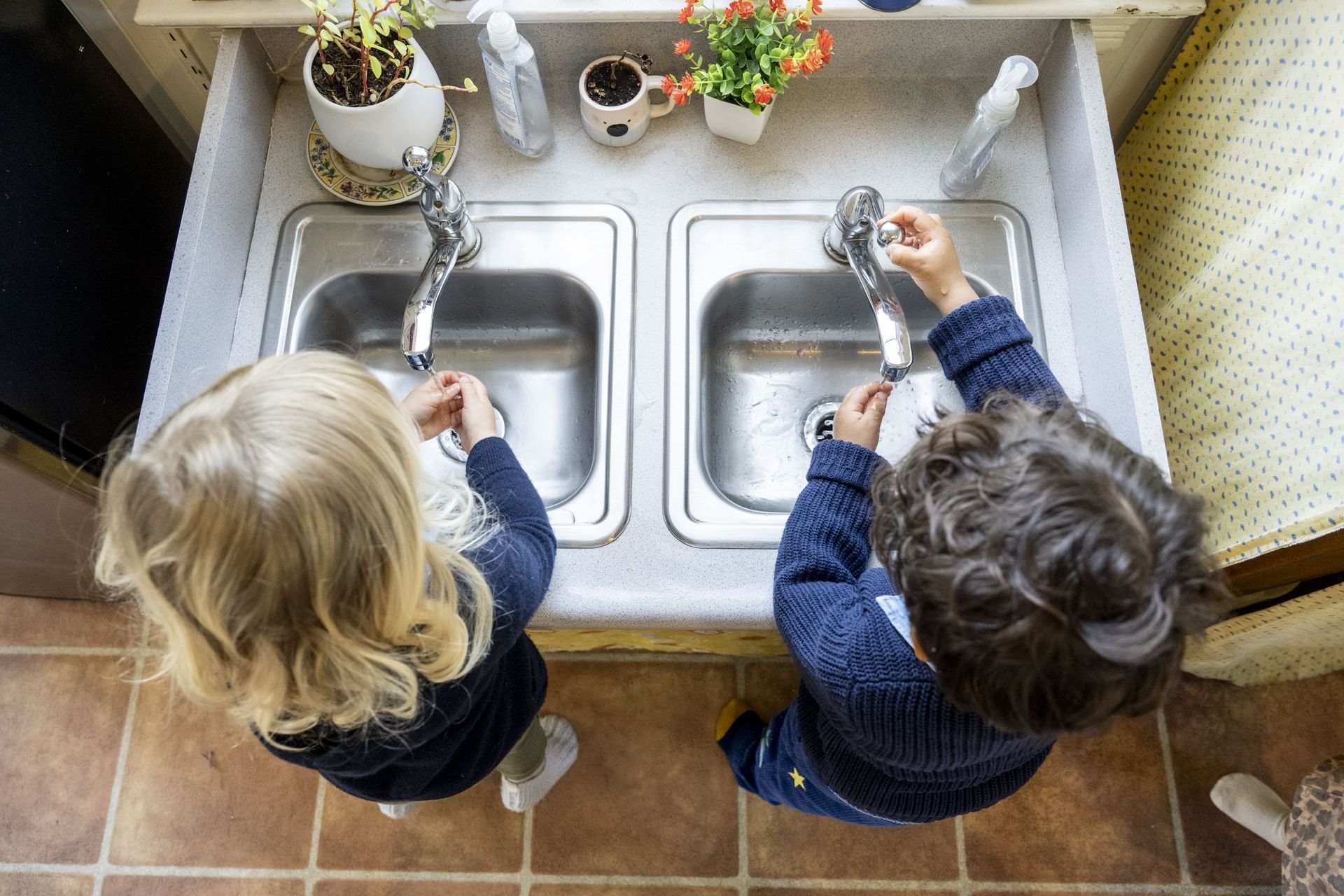
    In Montessori schools infants, toddlers, and young children learn that their independence and their contribution to the community is valued. We encourage free movement, choice within carefully crafted limits, and collective participation. We make sure they know their voices are heard and they have opportunities to help and participate at every step. We teach them practical life skills, such as cleaning and preparing food, that can be used in the classroom, home, and beyond. This emphasis on independence and community gives children a tremendous sense of empowerment.

  • Watch and learn

    In a Montessori classroom, both teachers and students watch and learn from each other. Teachers sit beside children while they work, gathering information on the individual learning process as they go; children are also encouraged to watch each other and learn from observation. The three period lesson, a Montessori hallmark, is specifically designed to measure understanding and mastery during teaching, but it is not unusual to see older children offer the three period lesson to younger children, reinforcing their own knowledge while passing it along to others. Teachers own close observation of students allows them to target areas in which students may need more challenge or support in a gently engaged manner.

  • Value kindness and collaboration

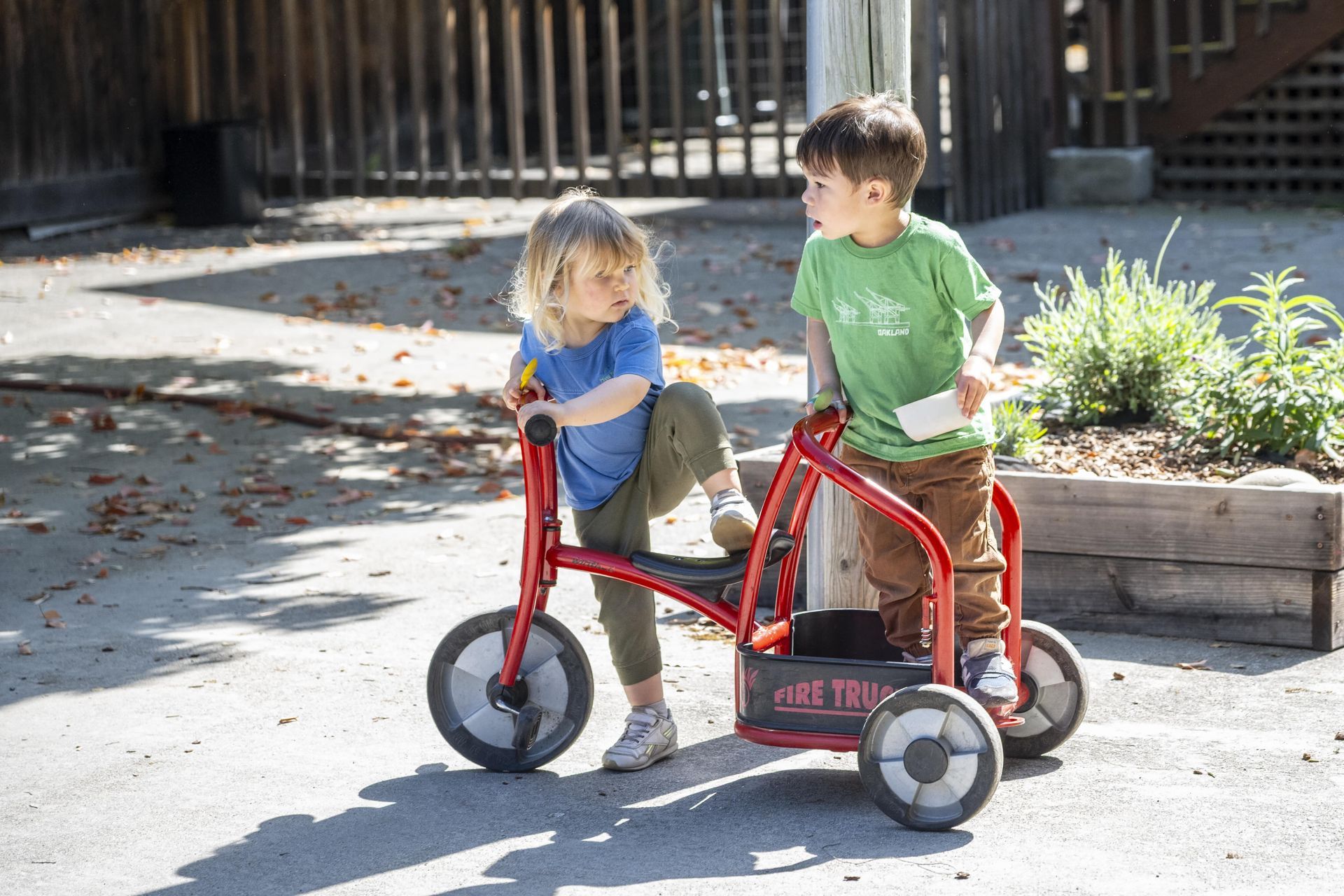
    Our students are global citizens and social beings. We teach skills like conflict resolution, identification of feelings, and healthy boundaries, and we focus on working through social dynamics as they arise. Using role play, songs, and repetition, we support children in learning about their own role in a community, managing their feelings, and developing strong and healthy relationships. We believe that collaboration, partnership, and kindness are the basis of society, and a foundation of these is necessary for the education of humanity.

  • Integrate nature

    Science appreciation begins at birth with exploration and play. We believe it is critical to allow our children to explore the natural world, including fluid dynamics (sand play), environmental sciences (where bugs live), botany, and zoology. Sand, water, and blocks are integral introductions to physics, and child learn the basics of the scientific method through watching the clouds, feeling the wind and sun, and finding rocks. Botany begins with close examination of the plants in our yard, our classroom, and our neighborhood, and extends with planting our garden and watering the plants to keep them alive. Not only do we care for animals in the classroom, we also explore the insects, birds, and mammals that live with us at school and at Dimond park.

  • Inspire work in beautiful classrooms

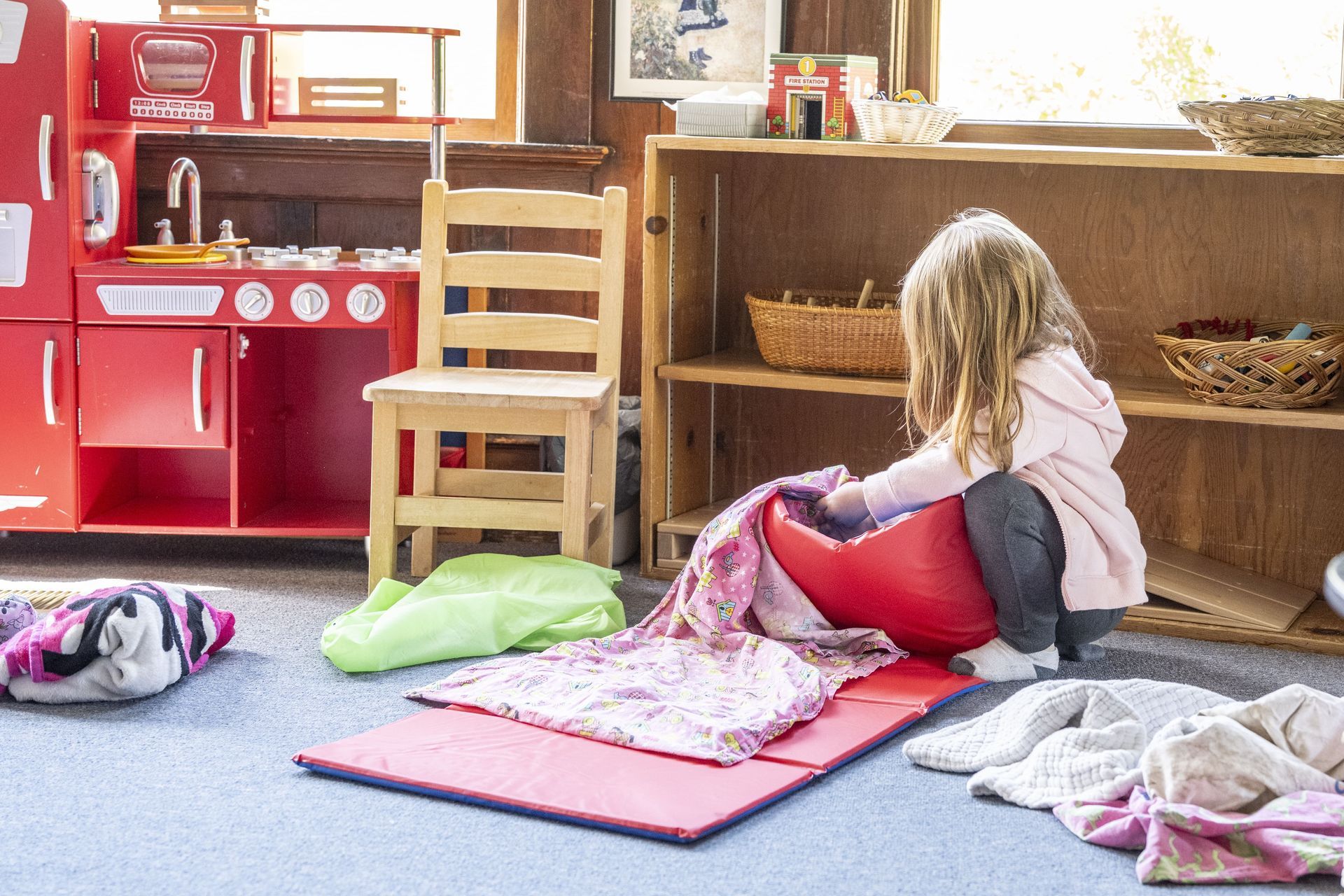
    Maria Montessori herself valued the quality of light that shines though large windows, not only bringing the outside in but also allowing the children to look out at the wider world beyond. The classroom materials are appealing, with natural wood and bright colors. The children create beautiful art for the walls and for each other, reflecting their environment and their joy.

Montessori education provides each child the security to reveal their inner life to those around them and develop into their best, most authentic self. Just as parents make every effort to ensure home is loving and safe so your child feels secure and well-adjusted, we work to ensure the environment, the teachers, and the student community will meet your child’s needs with respect and support at each step in their educational journey.